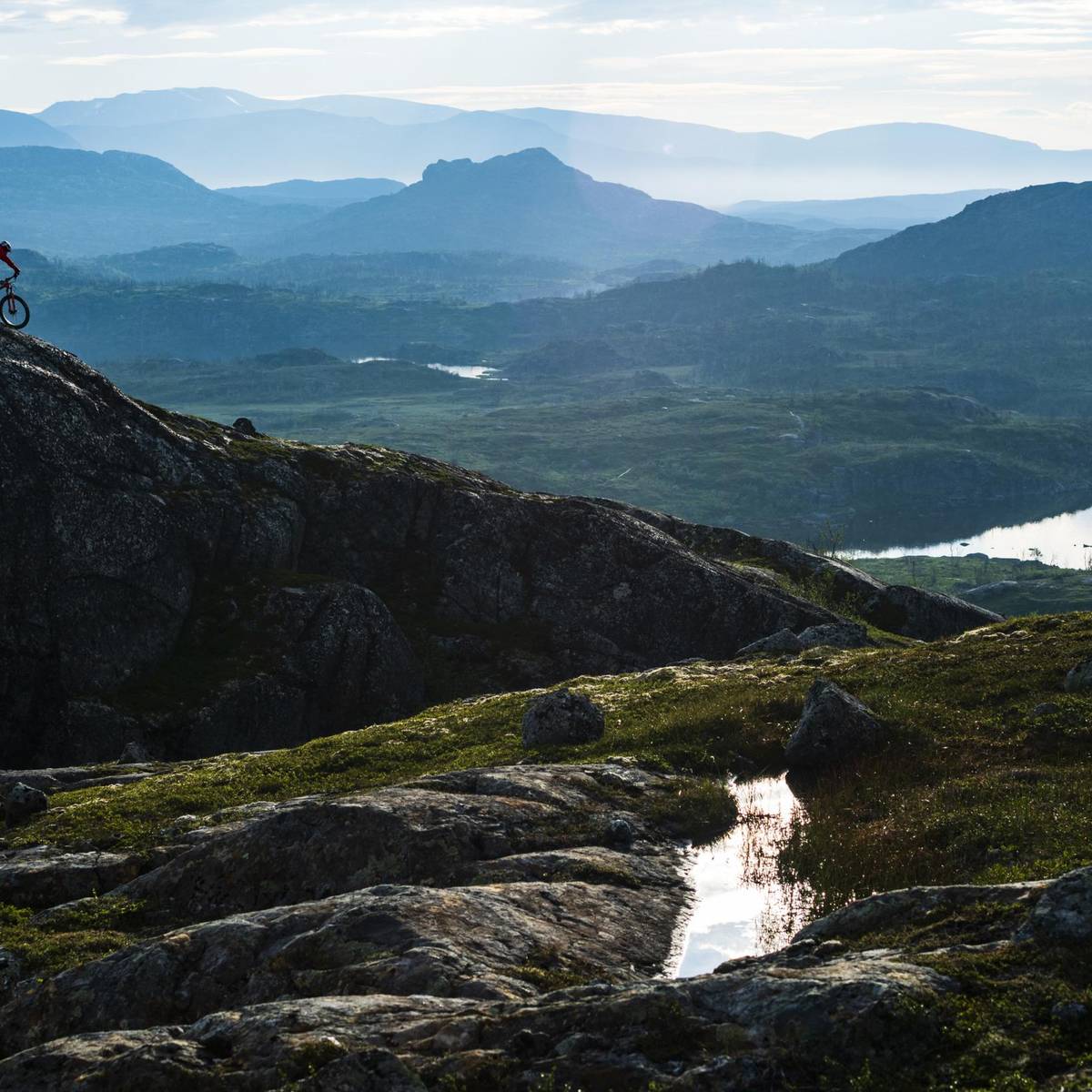
Silhouette of a cyclist on a hillside at sunset near Gällivare in Arctic Sweden, with glowing mountains and summer evening light.
Cycling at sunset, Gällivare
Cycling at sunset near Gällivare in Arctic Sweden, where the bright summer nights mean more time for adventure.
Photo credit: Magnus Winbjörk/Gällivare

Arctic Sweden – a culture-rich natural wonderland

Arctic Sweden, also known as Swedish Lapland, is the northernmost region of Sweden – a vast landscape of dramatic nature, rich Sámi culture and distinctive Arctic flavours. Depending on the season, you might experience the Northern Lights dancing across winter skies or the Midnight Sun shining around the clock in summer.

Arctic Sweden, also known as Swedish Lapland, is one of Europe’s most distinctive Arctic regions. In winter, the sky often shimmers with the Northern Lights, while in summer the Midnight Sun brightens the landscape around the clock. Stretching across the northernmost part of Sweden, the region covers almost a quarter of the country. Its vast size and varied landscapes – from mountains and forests to wild rivers and archipelagos – offer endless opportunities for outdoor adventures, including hiking, fishing, skiing and dog sledding.

The northernmost parts of Sweden, Norway, Finland and Russia are collectively known as Sápmi, the traditional land of the Indigenous Sámi people. The Sámi have lived here for thousands of years. While Arctic Sweden’s nature may appear untouched, it has long been shaped by Sámi traditions and ways of life. The Sámi divide the year into eight seasons, following the subtle shifts in nature.

Distinctive towns of Arctic Sweden

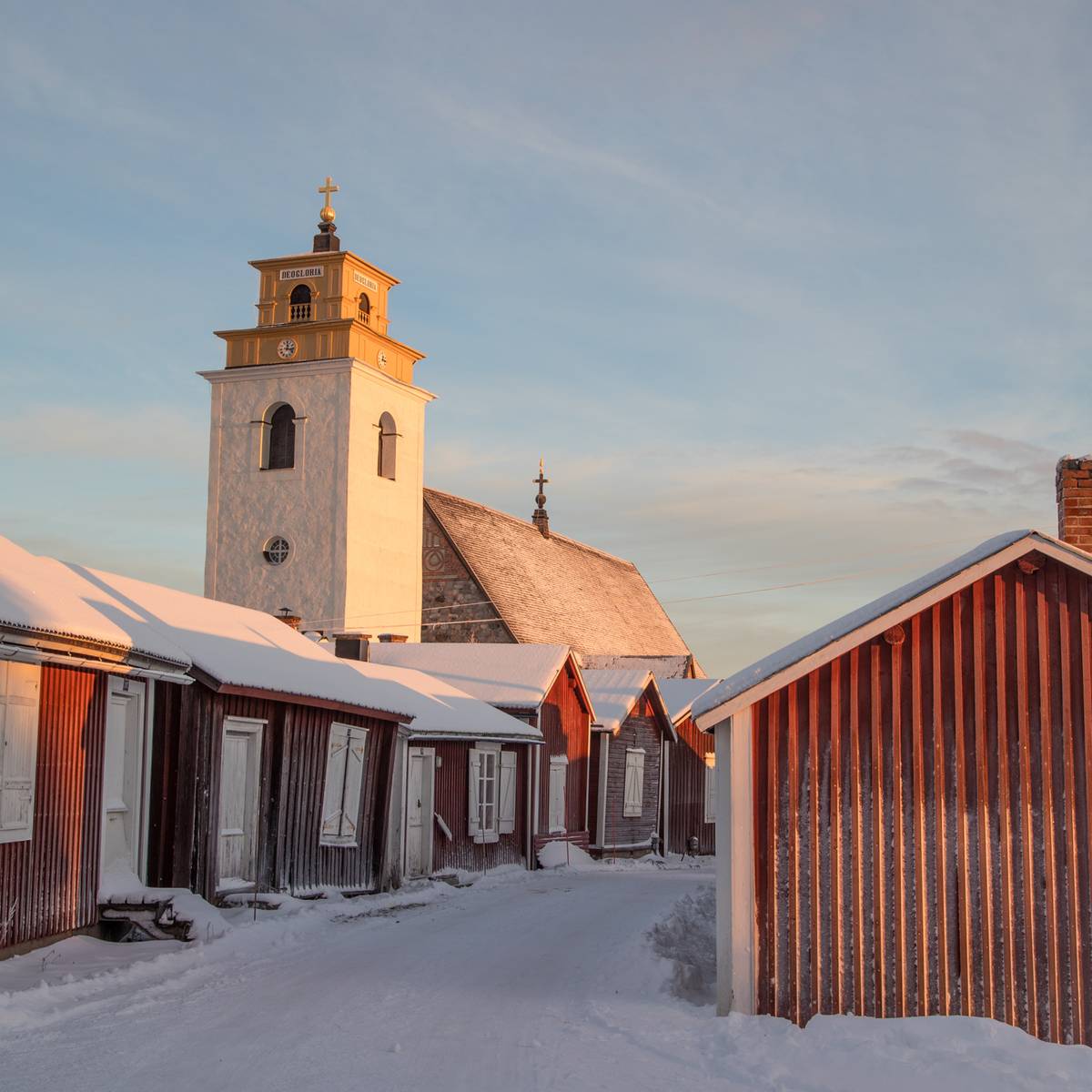
  • Luleå: The region’s main coastal city, known for its archipelago, the UNESCO-listed Gammelstad Church Town and a lively culinary scene.
  • Kiruna: Sweden’s northernmost city and a gateway to attractions such as the Icehotel, Sweden’s highest mountain, Kebnekaise and Abisko National Park, one of the best places to see the Northern Lights.
  • Jokkmokk: Often called the Sámi capital of Sweden and home to the annual Jokkmokk Winter Market, a centuries-old event held every February.
1 / 6

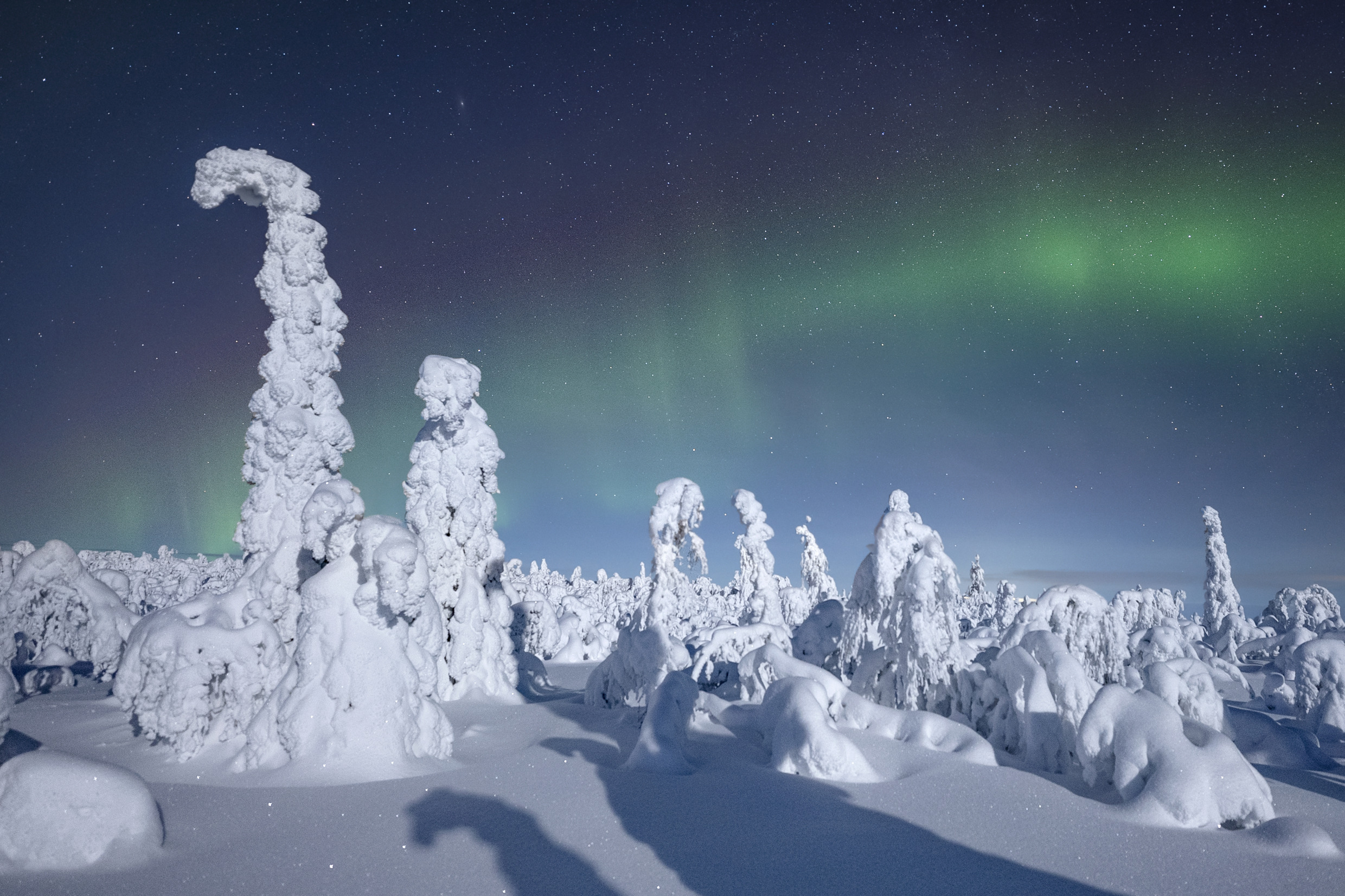
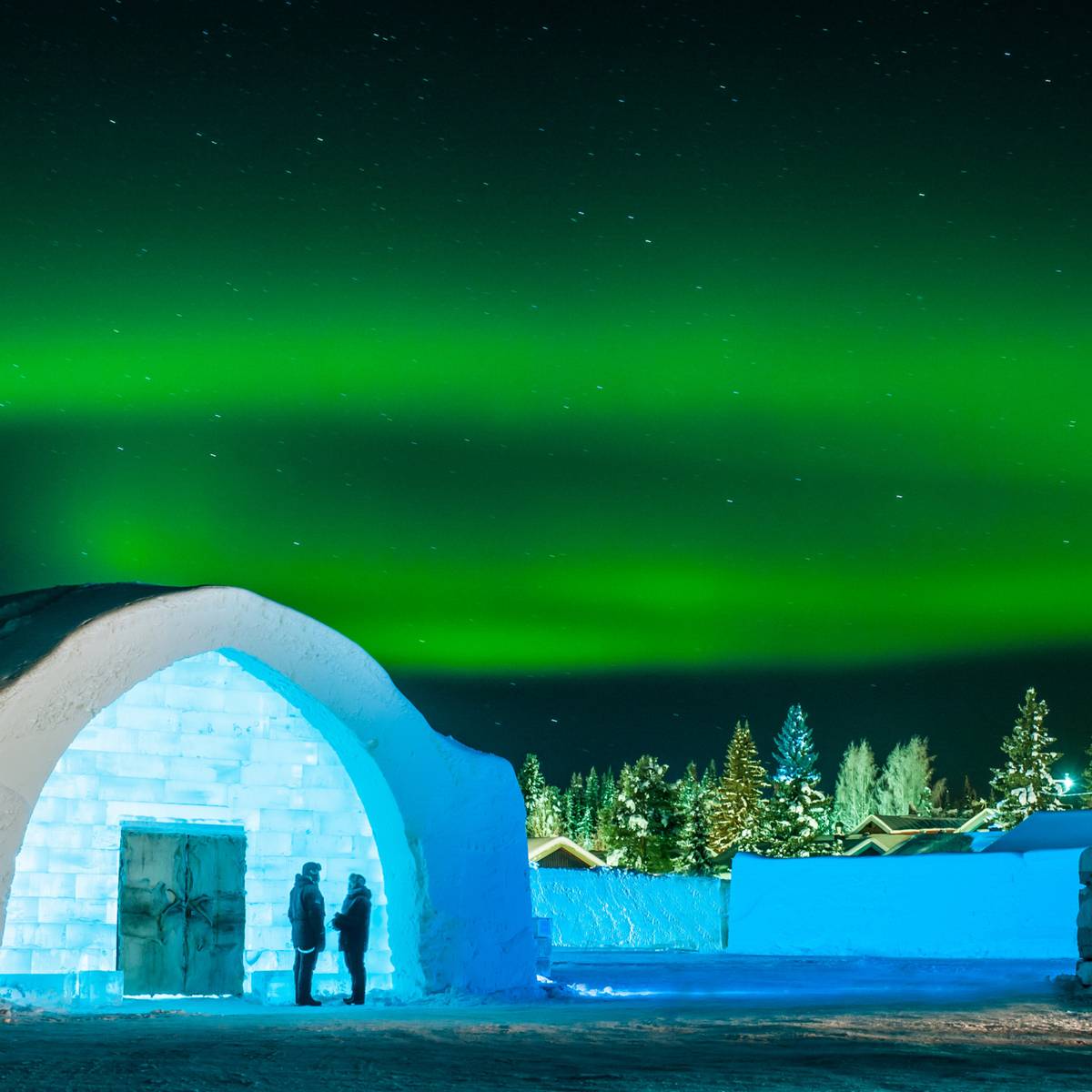
Northern Lights over Gällivare

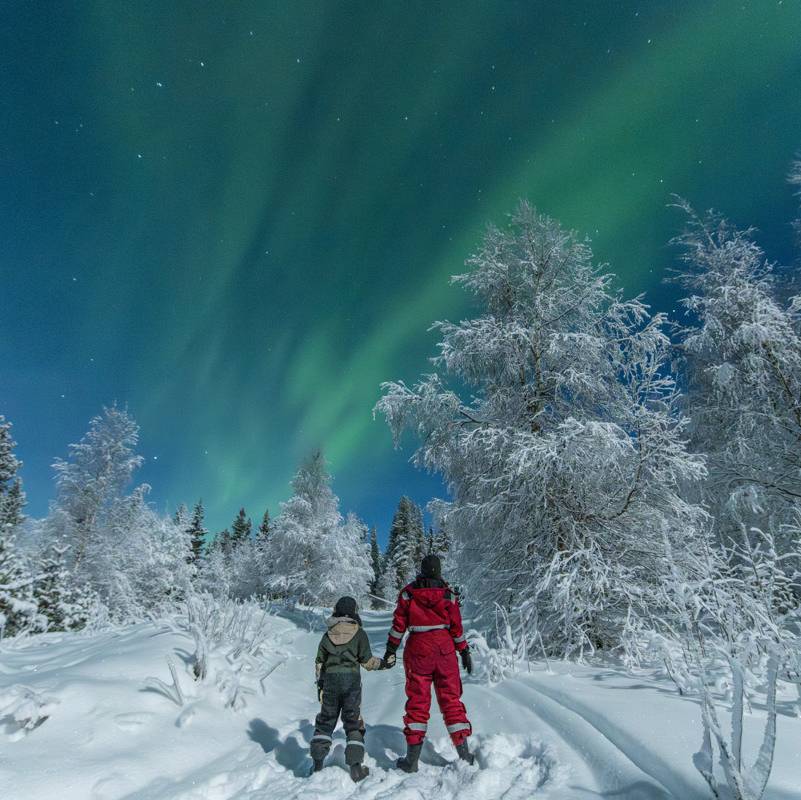
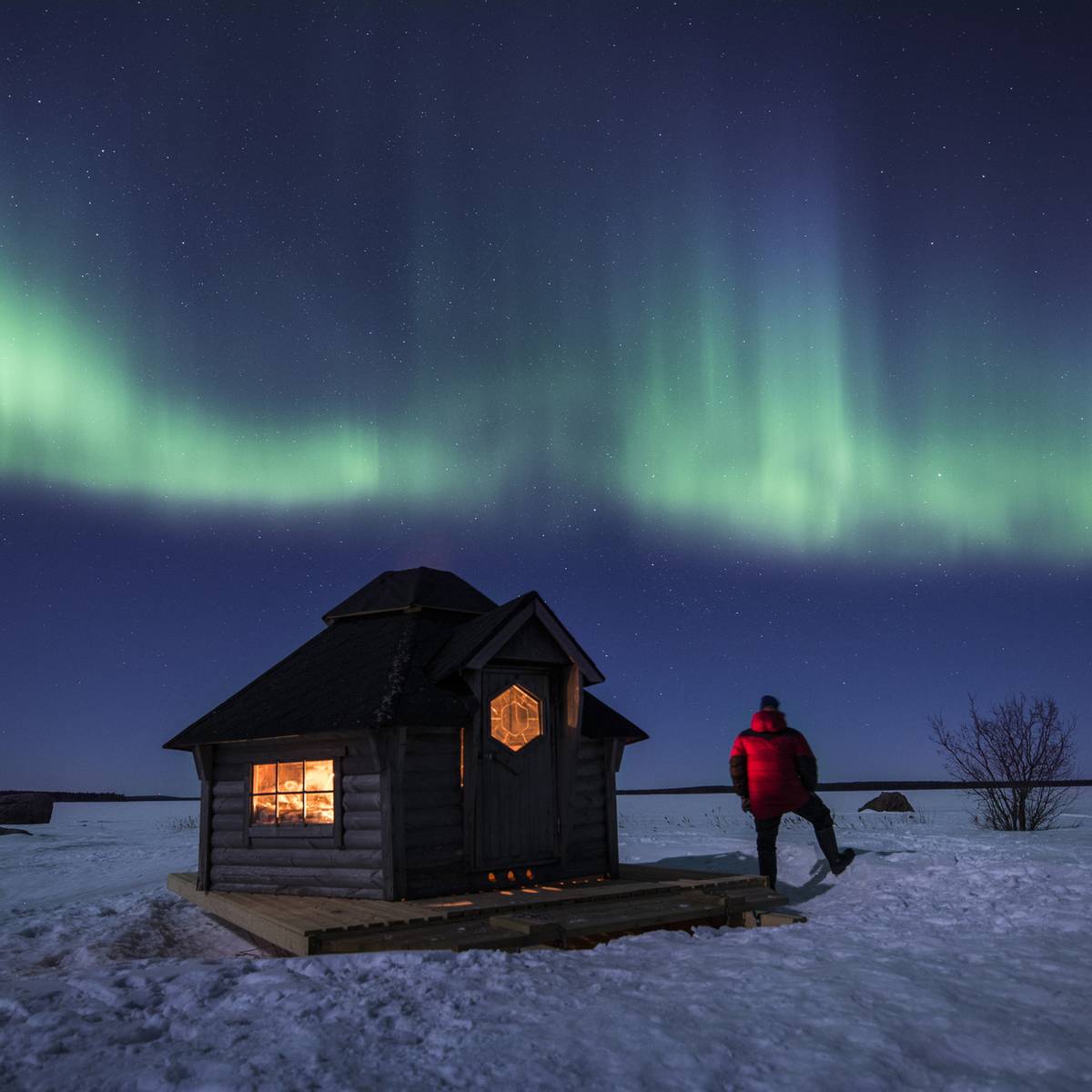
The Northern Lights season in Gällivare and Arctic Sweden overall is long, often beginning in early autumn when the skies grow dark.

Photo: Magnus Winbjörk/Gällivare

/ 6
Northern Lights above snow-covered, sculptural trees near Gällivare, Swedish Lapland.

Northern Lights over Gällivare

Photo: Magnus Winbjörk/Gällivare

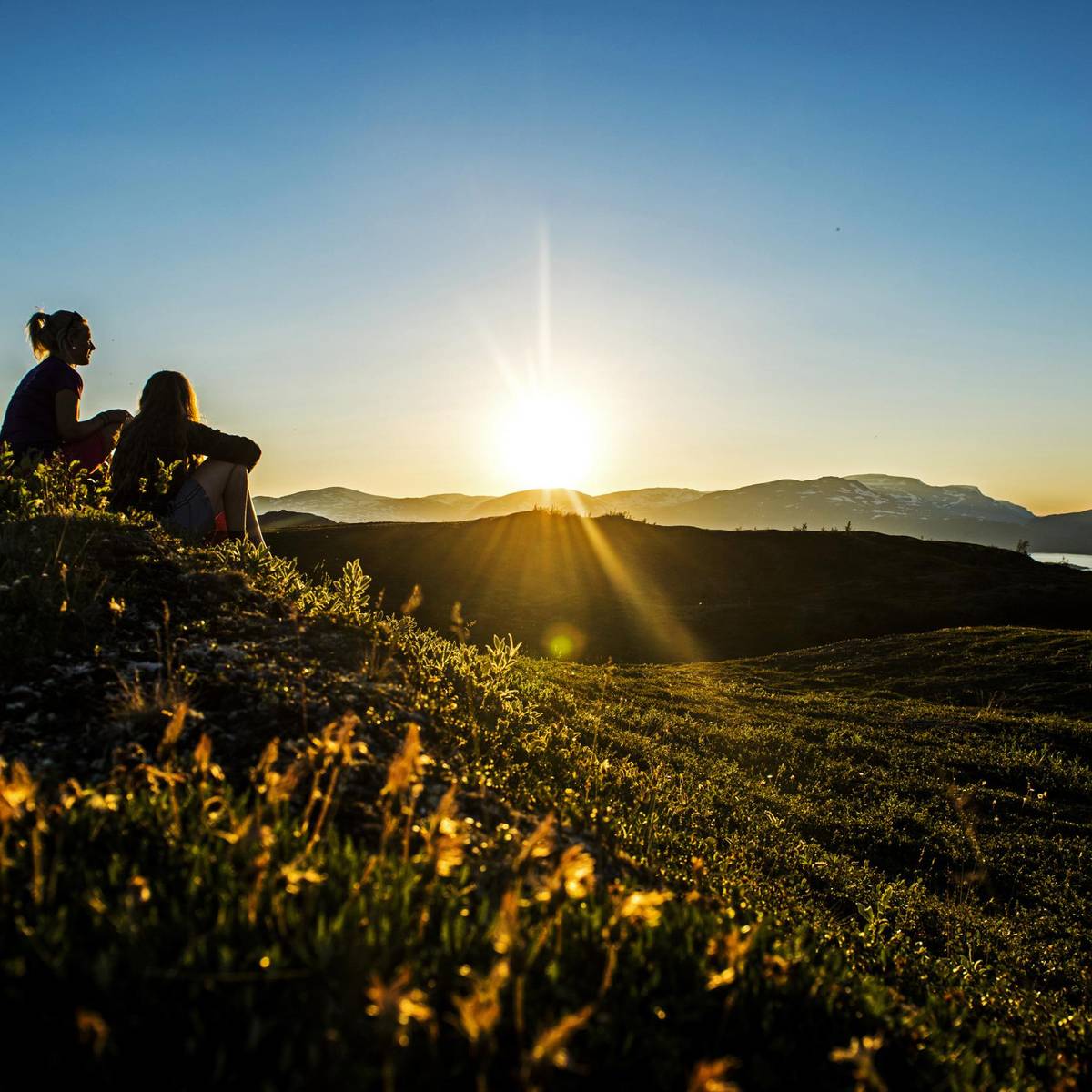
Two women are sitting on a hill in the mountains and enjoying the midnight sun.

Midnight Sun in Rikgränsen

Photo: Markus Alatalo/Swedish Lapland

Two hikers kneel by a clear mountain stream in Arctic Sweden, filling bottles with fresh water during a hike.

Hiking in Arctic Sweden

Photo: Mattias Fredriksson/Swedish Lapland

Aerial view of Rapadalen valley and the surrounding mountains of Sarek National Park during twilight.

Sarek National Park, Laponia

Photo: Anders Ekholm/Folio/imagebank.sweden.se

Dog sled team with Jokkmokkguiderna traveling through a snowy forest landscape in Arctic Sweden.

Dog sledding in Arctic Sweden

Photo: Anna Öhlund/imagebank.sweden.se

Aerial view of people in orange survival suits swimming in dark water beside an icebreaker cutting through sea ice.

Icebreaker in Arctic Sweden

Photo: Håkan Stenlund/Swedish Lapland

Natural light shows and outdoor adventures

The seasons are particularly distinct in Arctic Sweden. A large part of the region lies within the Arctic Circle, meaning that in winter, for several days or weeks, depending on the latitude, the Polar Night prevails. During this time, the sun never rises above the horizon, but the soft twilight light creates a special atmosphere and a remarkable sense of calm. In the darker months, the Northern Lights frequently dance across the sky, typically visible from August to April. By May, the northern lights give way to the Midnight Sun, bringing 24 hours of daylight north of the Arctic Circle until mid-July.

Arctic Sweden is also a dream destination for fly-fishing enthusiasts. The region is home to thousands of streams and lakes as well as a 1,500-kilometre-long coastline. Four national rivers flow here, offering excellent fishing opportunities. The Torne River is one of the world’s most productive salmon rivers, with up to 100,000 fish migrating upstream every summer to spawn. Pike, trout and whitefish are also commonly caught.

For hikers, Arctic Sweden offers around 2,250 kilometres of marked trails. Some routes are true bucket-list experiences, such as trekking through the vast UNESCO World Heritage Site of Laponia or climbing Kebnekaise, Sweden’s highest mountain. The King’s Trail (Kungsleden), one of the world’s most famous hiking trails, runs through this spectacular landscape, passing both Laponia and the Kebnekaise area.

Winter turns Arctic Sweden into a true outdoor playground. Dundret in Gällivare is considered one of the best cross-country skiing areas in the country, while the famous ski resort Riksgränsen even offers alpine skiing under the Midnight Sun. Visitors who prefer other winter adventures can try dog sledding, snowmobile safaris, snowshoe hiking or ice skating across frozen lakes.

Three guided ways to experience Arctic nature

  • Northern Lights at Aurora Sky Station: Join a guided evening tour and dinner at Aurora Sky Station in Abisko, one of the world’s best places to see the Northern Lights.
  • Foraging with Essence of Lapland: Food creator and cultural guide Eva Gunnare leads educational excursions through forests, marshes and mountain landscapes, focusing on Arctic ingredients.
  • Icebreaker adventure in the Gulf of Bothnia: Step off an icebreaker ship and float in the icy sea in a survival suit. Probably the coolest wild swim you’ll ever experience.
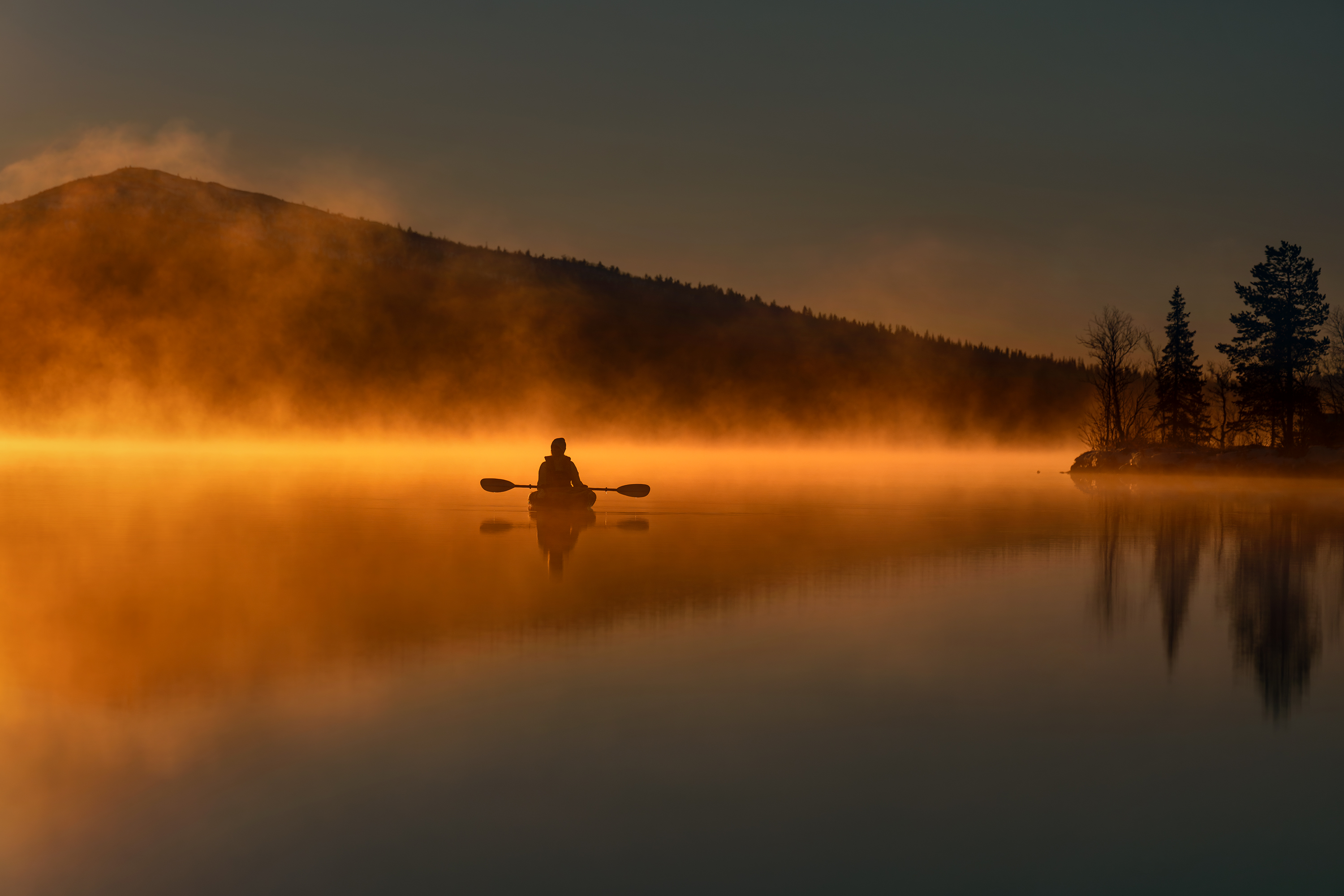
Silhouette of a kayaker paddling across a misty lake at sunrise in Gällivare, Arctic Sweden, surrounded by autumn-coloured hills.
Autumn kayaking in Gällivare
Kayaking on a misty autumn lake in Gällivare, Arctic Sweden. Autumn is a particularly beautiful season for nature experiences, with crisp air, glowing colours and peaceful landscapes.
Photo: Magnus Winbjörk/Gällivare

When to visit Arctic Sweden

  • Spring: Early spring is considered the best season by many locals. The sun returns, and conditions are perfect for skiing, snowmobile tours and ‘fika’ in the snow. In late spring, reindeer calves are born, and visitor numbers are low, ideal for travellers on a budget.
  • Summer: June brings the Midnight Sun, but Arctic Sweden enjoys bright nights throughout the summer – a unique experience for visitors who have never seen daylight around the clock.
  • Autumn: Early autumn is ideal for hiking. Mosquito numbers drop, and the landscape turns into a colourful pantry filled with mushrooms and berries. Autumn is also hunting season.
  • Winter: Snow brightens the short days while the Northern Lights paint the sky green, pink and purple. Winter is the longest season here and the peak travel season for international visitors.
1 / 6

Sámi culture

Sámi hosts sharing stories and traditions around the fire inside a lavvu in Arctic Sweden.

Photo: Hugo Perrin/Swedish Lapland

/ 6
Two Sámi people in traditional clothing sit by an open fire inside a lavvu, a traditional Sámi tent.

Sámi culture

Photo: Hugo Perrin/Swedish Lapland

Two reindeer stand in nature.

Reindeer in Arctic Sweden

Photo: Tobias Hägg/Airpixels/Swedish Lapland

Reindeer meat

Reindeer meat

Photo: Pernilla Ahlsén/imagebank.sweden.se

Sámi bracelets

Sámi bracelets

Photo: Pernilla Ahlsén/imagebank.sweden.se

Feeding reindeer

Feeding reindeer

Photo: Tina Stafrén/imagebank.sweden.se

Mountain landscape with Lake Sårjåsjávrre and Konsul Persson’s small red cabin surrounded by snowy peaks.

Konsul Persson's cabin, Padjelanta National Park

Photo: Magnus Winbjörk/Swedish Lapland

Experience genuine Sámi culture

The Sámi have lived in Arctic Sweden for thousands of years, caring for and living in close connection with the land. As a mark of respect for nature, they have named every valley and mountain peak in the region. Today, many Sámi people combine modern lifestyles with strong cultural traditions passed down through generations.

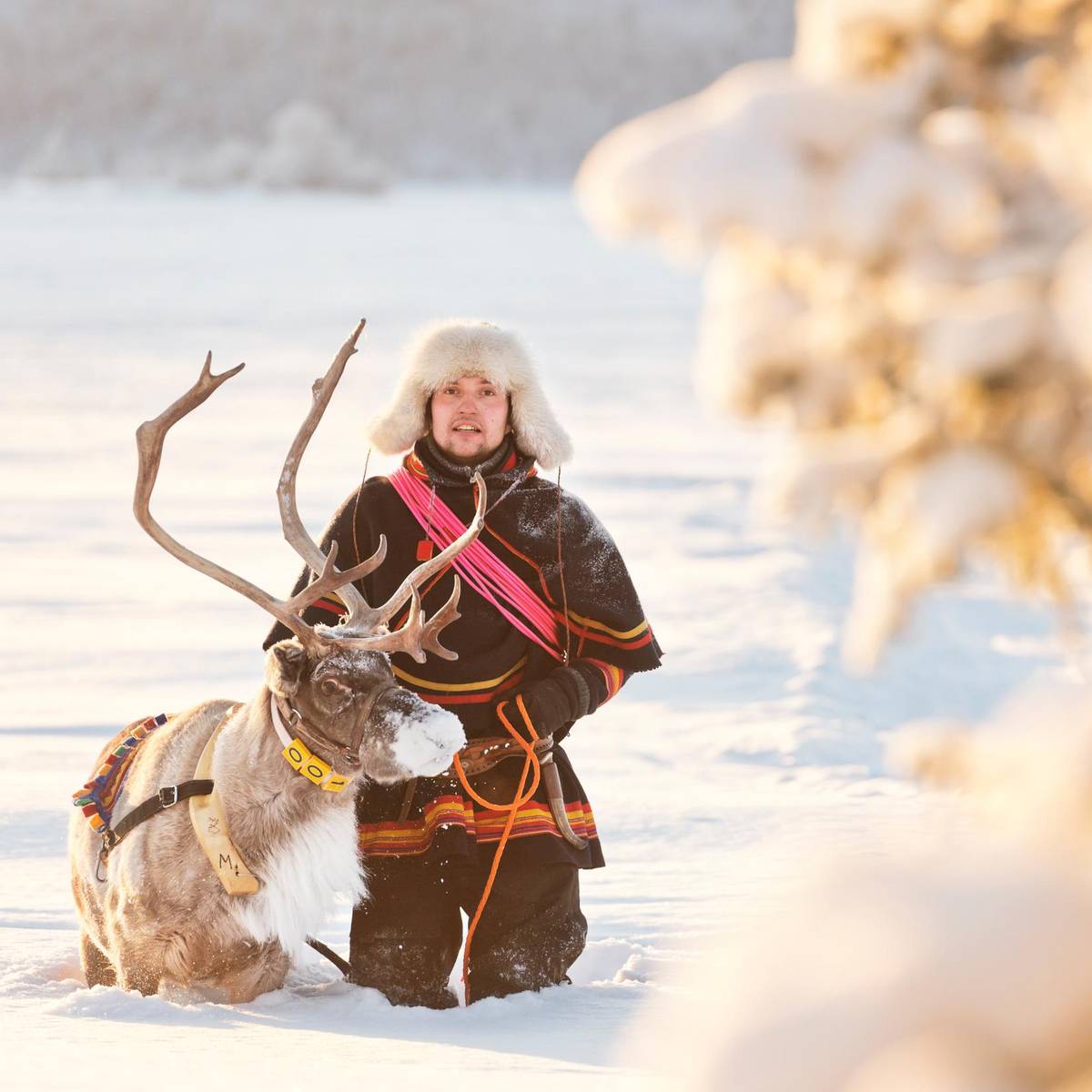
Reindeer herding remains central to Sámi culture and livelihoods, and very little of the animal goes to waste. The meat is an important food source, while hides are used for rugs. Leather is handcrafted into footwear and accessories, and antlers are turned into buttons and decorative objects.

Some of these traditional crafts are available to buy, including decorative bags featuring pewter embroidery and felted wool panels. To ensure authenticity, look for the Sámi certification marks Sámi Duodji and Sámi Made, which confirm that the item is a genuine Sámi handicraft or made by Sámi producers. Read more about Sámi handicrafts and where to buy them.

Two authentic Sámi experiences not to be missed

  • Nutti Sámi Siida, Jukkasjärvi: A family-owned company offering sustainable cultural and nature-based experiences rooted in Sámi traditions, as well as unique accommodation close to reindeer.
  • Ájtte Museum, Jokkmokk: Sweden’s main museum dedicated to Sámi culture, as well as the nature and culture of the Scandinavian mountain region.
1 / 5

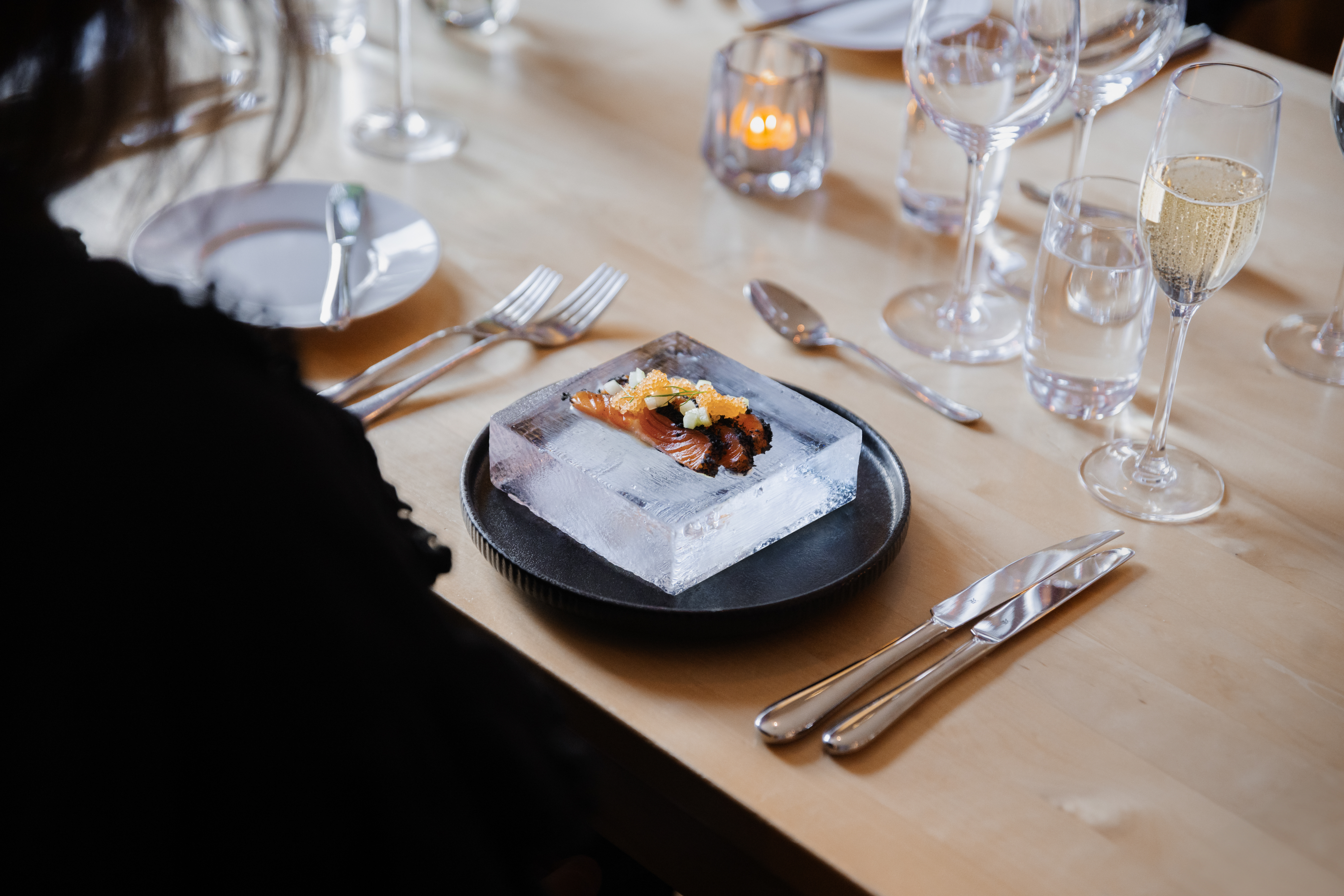
The Ice Menu at Icehotel

A dish from the Ice Menu at Icehotel in Jukkasjärvi, where food is served on plates carved from ice from the Torne River.

Photo: Karl & Moa/Icehotel

/ 5
Fine dining dish served on a block of ice at Icehotel, set on a restaurant table with glasses and cutlery.

The Ice Menu at Icehotel

Photo: Karl & Moa/Icehotel

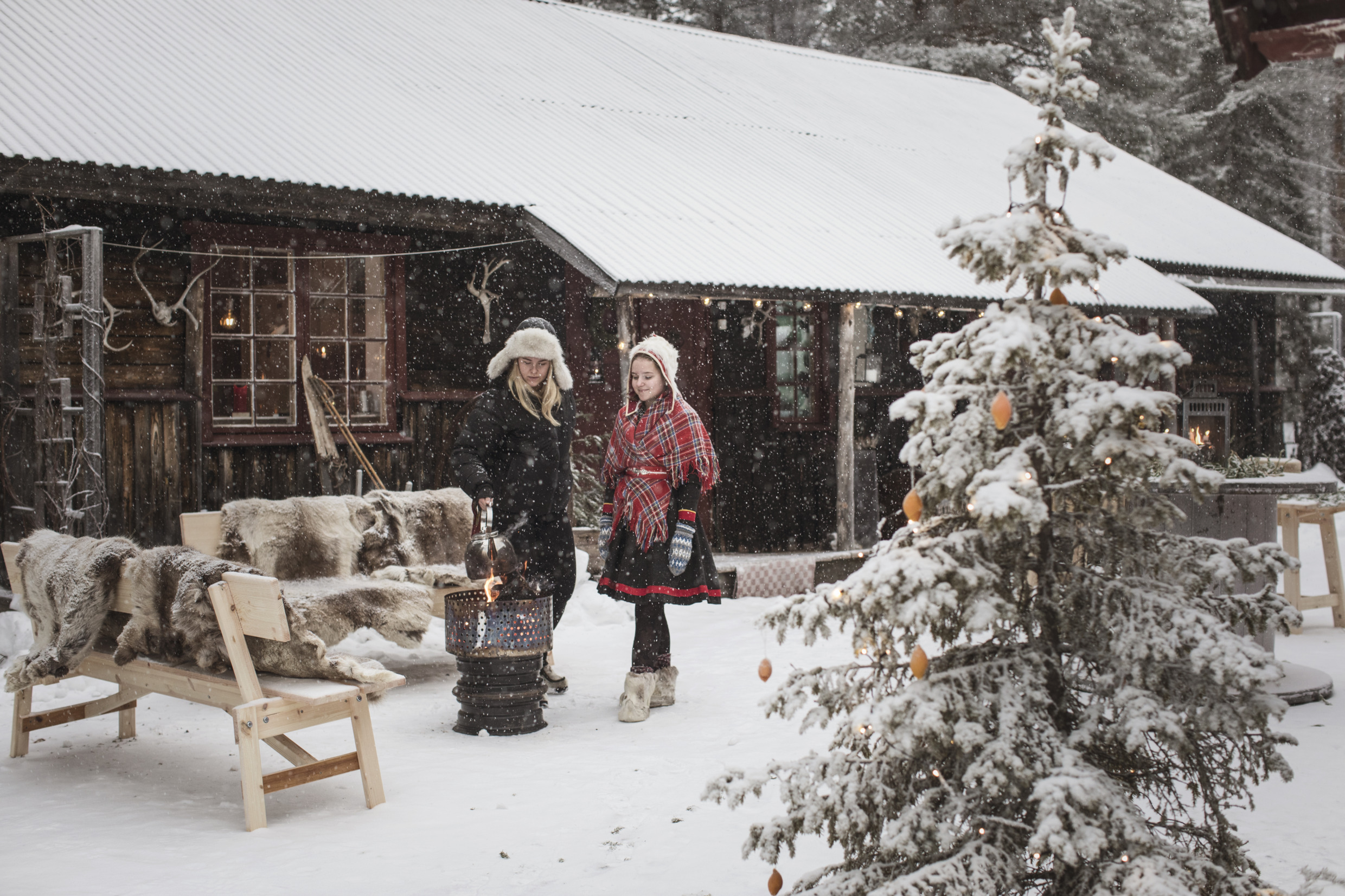
Two young women are standing in the snow outside a wooden house.

Huuva Hideaway

Photo: Tina Stafrén/imagebank.sweden.se

Six persons sitting at a wooden table in a forest. They are sitting on benches with sheep hides. The sun shines through the trees.

Huuva Hideaway

Photo: Swedish Lapland/imagebank.sweden.se

Souvas

Souvas

Photo: Magnus Skoglöf/imagebank.sweden.se

A small bowl of Kalix caviar in the foreground and a flat bread with herring, vendance roe and chives in the background.

Kalix Caviar on flatbread

Photo: Julia Trygg/Visit Sweden

A taste of Arctic Sweden

Sámi culinary traditions have strongly influenced the food culture of Arctic Sweden. Local ingredients take centre stage, whether farmed or foraged. Reindeer is a staple and often prepared as souvas, lightly smoked meat traditionally preserved over an open fire.

Another must-try delicacy is Kalix caviar (Kalix löjrom), the first Swedish food product to receive the EU’s Protected Designation of Origin (PDO) status, placing it alongside foods such as Champagne, Parma ham and Stilton cheese. If you get the chance, also try the Arctic raspberry (‘åkerbär’) – a rare and delicate berry that also holds PDO status. Growing only one berry per plant and notoriously difficult to harvest, it is often described as Sweden’s most exclusive berry.

Three notable restaurants

For more city restaurants, see our destination pages for Kiruna and Luleå.

1 / 5

Icehotel suite

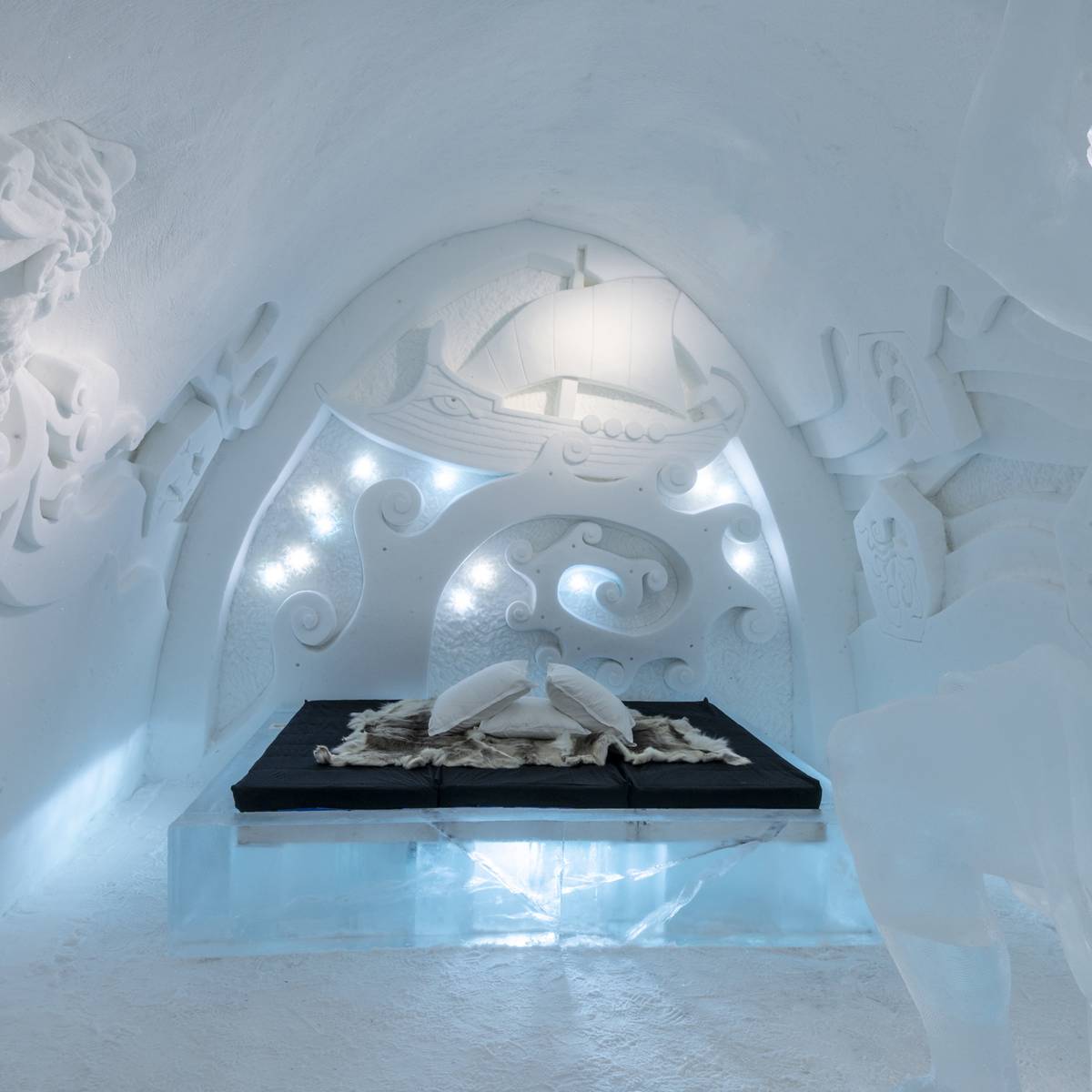
To stay in one of the cold rooms at the Icehotel in Jukkasjärvi is like sleeping the night inside an art installation.

Photo: Asaf Kliger

/ 5
A stunning suite at the Icehotel in Jukkasjärvi, with the Näcken elegantly carved into the wall and delicate water lilies sculpted from frozen materials.

Icehotel suite

Photo: Asaf Kliger

The Biosphere treehouse at Treehotel in Harads, covered with birdhouses and surrounded by tall pine forest.

Biosphere at Treehotel, Arctic Sweden

Photo: Håkan Stenlund/Swedish Lapland

A woman walking towards an open bath in the snow surrounded by a wooden building.

Arctic Bath in Harads

Photo: Håkan Stenlund/Swedish Lapland

Cabins at Lapland View Lodge built among rocky hills and autumn forest on Luppioberget in Swedish Lapland.

Lapland View Lodge

Photo: Håkan Stenlund/Swedish Lapland

Aerial view of Niehku Mountain Villa surrounded by deep snow in Arctic Sweden, with a helicopter landing nearby.

Niehku Mountain Villa, Riksgränsen

Photo: Håkan Stenlund/Swedish Lapland

Unique stays in Arctic Sweden

Arctic Sweden, also known as Swedish Lapland, offers an impressive range of distinctive and high-end places to stay.

  • Icehotel, Jukkasjärvi: The world’s first ice hotel and a year-round destination where rooms and art suites are sculpted from ice taken from the Torne River.
  • Treehotel, Harads: Architect-designed treehouses suspended among the pines, putting Sweden on the map for innovative nature accommodation.
  • Arctic Bath, Harads: A floating spa hotel on the Lule River known for its striking design, open-air cold bath and acclaimed restaurant.
  • Lapland View Lodge, Övertorneå: Chalets perched on a hilltop with sweeping views of the Torne River valley and surrounding forests.
  • Niehku Mountain Villa, Riksgränsen: An award-winning boutique lodge combining premium accommodation with mountain adventures.
  • Kust Hotell & Spa, Piteå: A contemporary coastal hotel with spa facilities, stylish rooms and a rooftop sky bar overlooking the archipelago.
  • Hornavan Hotel, Arjeplog: A lakeside retreat by Lake Hornavan, Sweden’s deepest lake, offering peaceful surroundings and a homely atmosphere.

For more accommodation options, see our destination pages for Kiruna and Luleå.

1 / 2

Team of huskies

Huskies working as a dog sled team in northern Sweden eagerly await the trail ahead. Going dog sledding or driving your own team of huskies through the pristine landscape is a wonderful way of experiencing Sápmi (Arctic Sweden); a dream-like sensation of being close to animals, the cold and nature.

Photo: Asaf Kliger/imagebank.sweden.se

/ 2
Huskies huddling close in a winter landscape.

Team of huskies

Photo: Asaf Kliger/imagebank.sweden.se

Two children walk on a beach during summer.

Pite Havsbad, Piteå

Photo: Thomas Åberg/Pite Havsbad

Travelling with children

Children will find Arctic Sweden fascinating. The vast landscapes are often enough of an attraction, but there are also several experiences that are especially popular with families.

  • Dog sledding and husky visits: In some parts of Arctic Sweden there are said to be more huskies than people. Many companies offer dog sledding in winter, as well as husky hikes and kennel visits during the snow-free months.
  • Cape Wild, Luleå: A moose and reindeer park where visitors can get close to the animals and even help feed them. Visits must be booked in advance.
  • Pite Havsbad, Piteå: Often nicknamed the Nordic Riviera, this coastal resort and campsite offer a kilometre-long sandy beach as well as a tropical indoor water park open year-round.
Arctic Sweden offers something for every type of traveller, whether you’re chasing adrenaline-filled bucket-list adventures or want to relax and enjoy vast landscapes with few people around. From mesmerising Northern Lights and the Midnight Sun to genuine Sámi experiences, unique accommodation and adventures tailored for little explorers, this Arctic region truly has it all.

Practical information before your trip